Club+
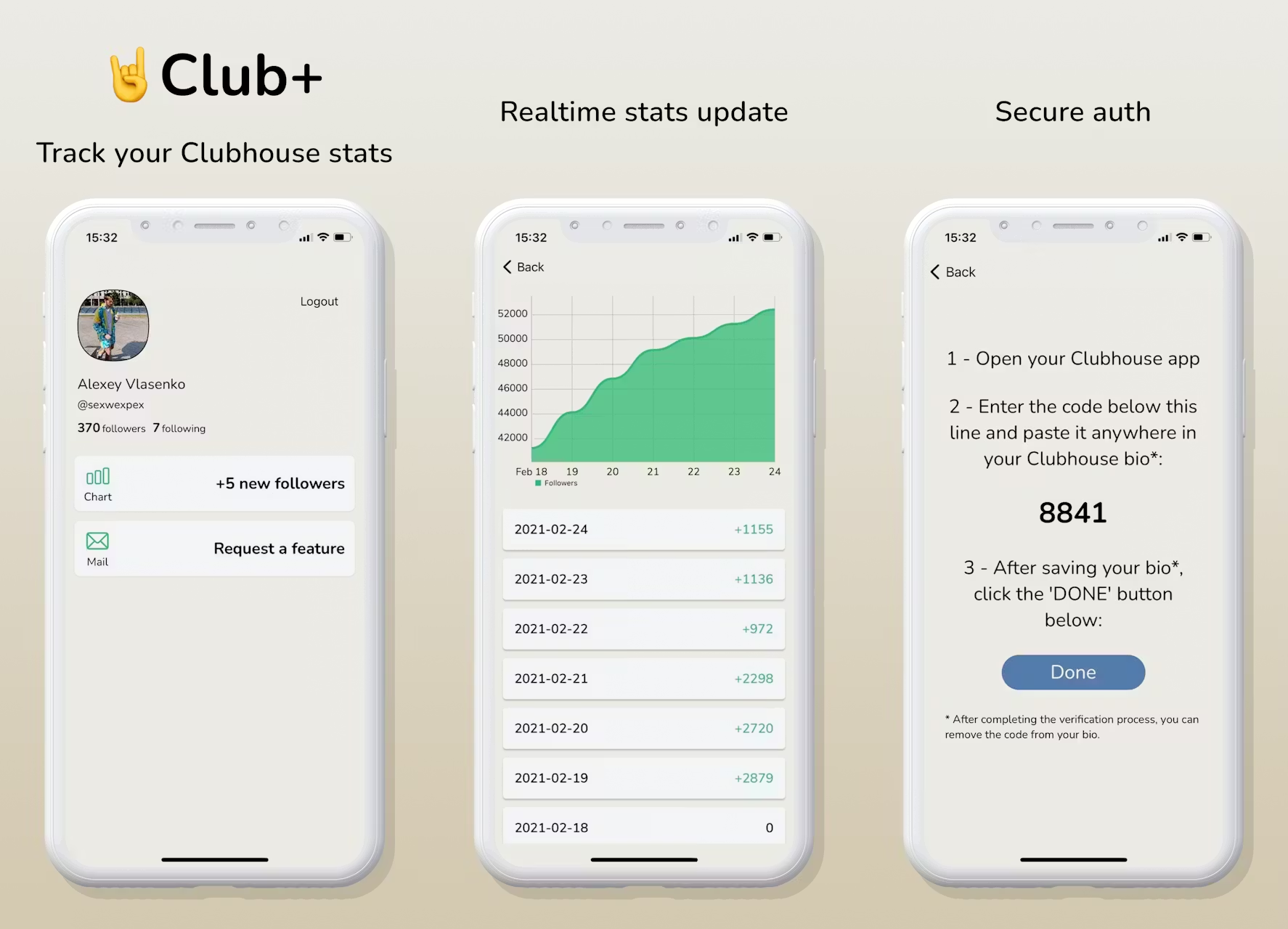
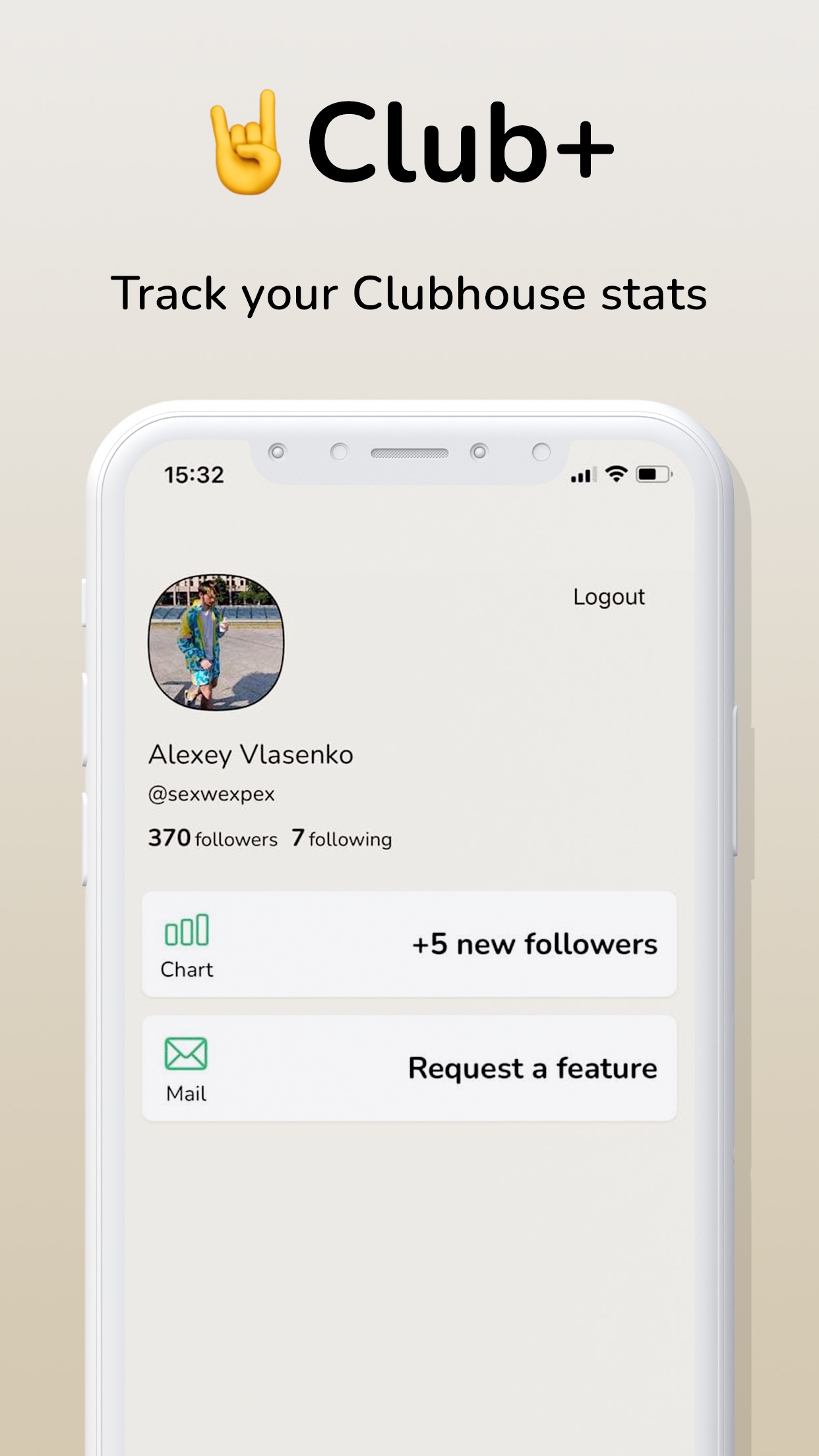
Club+ was a fast product experiment launched during the peak of Clubhouse adoption. The goal was to give creators a simple and clear way to track follower dynamics and understand growth signals without heavy analytics or complex workflows.
The project was intentionally scoped as a product experiment first, focused on validating demand, user behavior, and distribution speed rather than building a long-term platform.
Be the first to publish
Club+ was designed, built, and released in 3 days, without vibe-coding or exploratory prototyping. The scope was fixed early, trade-offs were explicit, and execution was optimized for speed.
Being early mattered more than being perfect:
- 5,000+ downloads
- 200+ direct emails from users with feedback and metric requests
This confirmed that timing and decisiveness can be a stronger advantage than feature depth in trend-driven markets.
Technical takeaways
- iOS native application focused on fast iteration and UI clarity
- Node.js backend built for flexibility and frequent changes
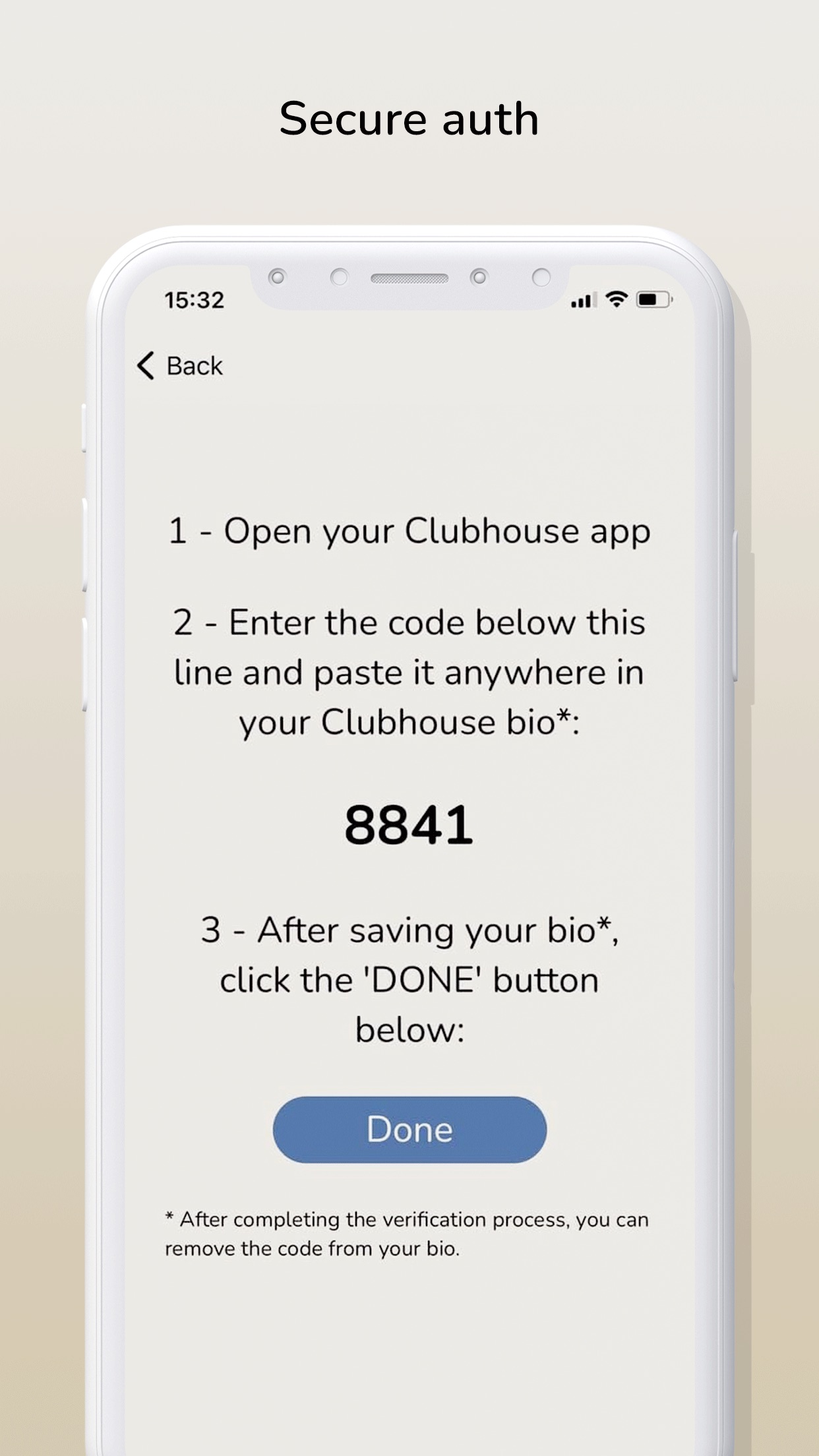
- Defensive architecture around third-party APIs - fallbacks, validation, and transparent user messaging
- Strict prioritization to avoid overengineering during early validation
Every technical decision was guided by one constraint - ship fast without breaking user trust.
Gathering email feedback
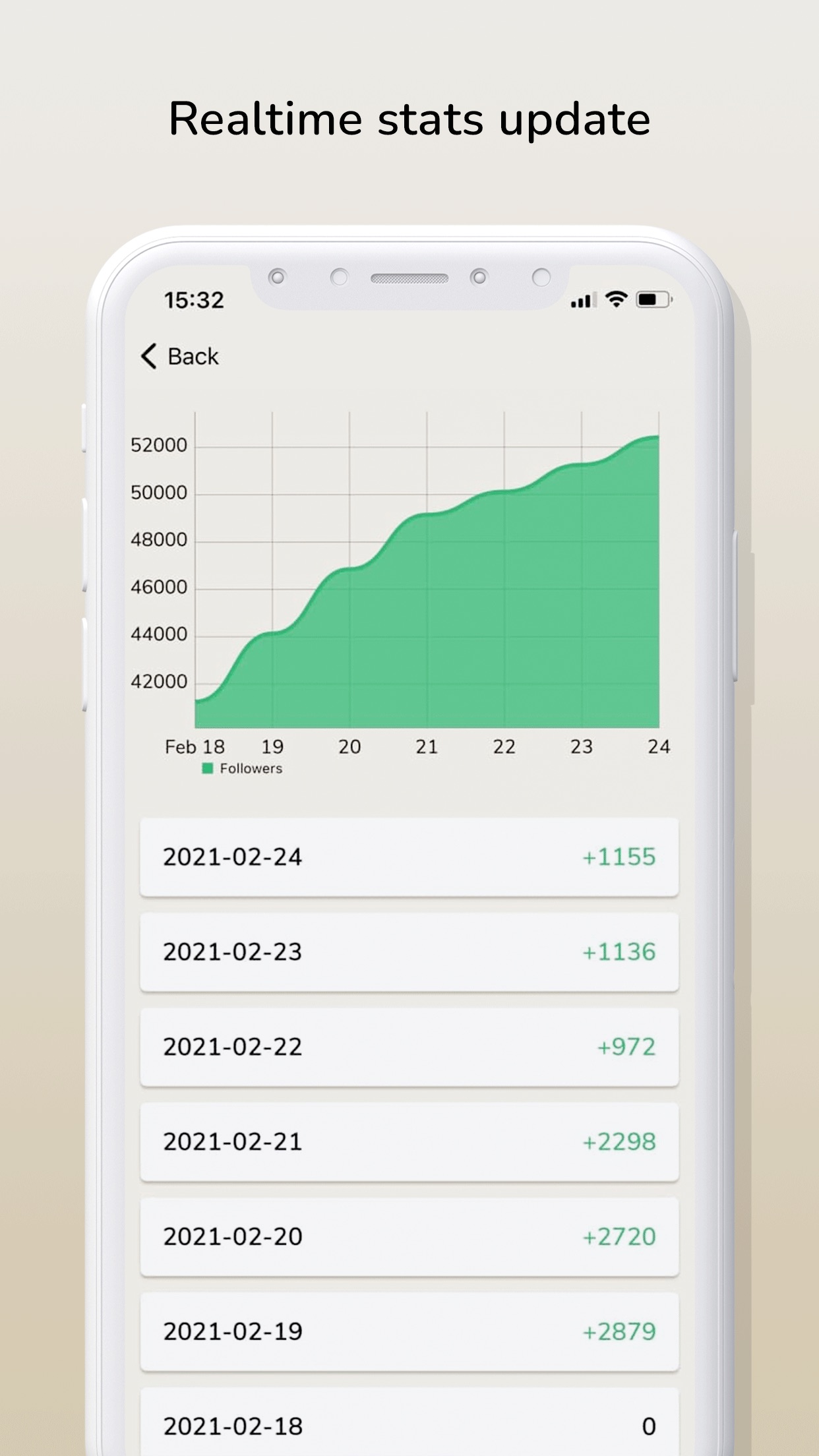
Instead of complex in-app analytics or surveys, Club+ relied on direct email communication as the primary feedback channel. Users were explicitly asked which metrics they wanted next, turning feedback into a concrete prioritization tool.
This kept development grounded in real user needs and prevented building features based on assumptions.
Platform dependency — a strategic lesson
One of the most important outcomes of this project was a clear strategic insight:
If your core value depends entirely on a foreign API, you are effectively building someone else's product.
This realization later shaped how I evaluate platform risk, data ownership, and long-term defensibility when working on new products.
Leadership & ownership
I led the project end-to-end - from idea validation and scope definition to technical architecture, development, release, and user feedback analysis. The compressed timeline required clear decision-making, fast prioritization, and full ownership of outcomes.
Club+ reflects how I approach leadership in product work - align timing, define constraints early, execute decisively, and learn fast.
What I'd do differently now
- Validate platform stability and API risk earlier, even in short experiments
- Introduce a clearer path to differentiation beyond raw metrics
- Design an exit or pivot strategy upfront, not after traction appears
- Balance speed with a minimal layer of defensibility, even in trend-based products
These lessons directly informed how I approach subsequent products, especially those built on top of external platforms.